
Marketplace Fulfillment in LATAM: A Seller’s Operational Guide
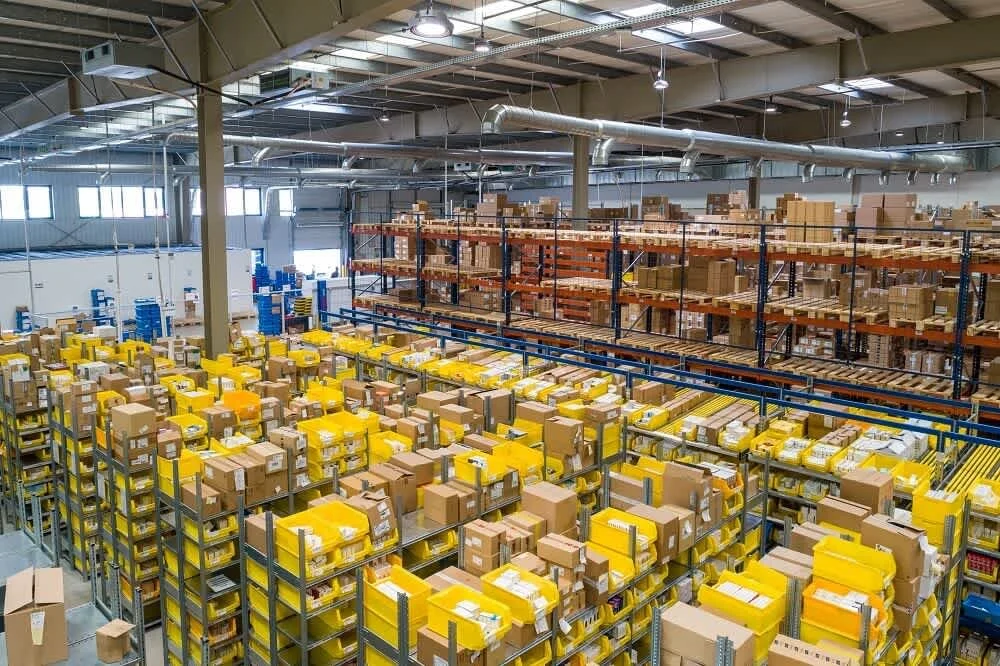
Marketplace fulfillment in Latin America is often marketed as simple: send inventory, let the platform handle logistics, and scale faster. In reality, sellers quickly discover that fulfillment programs introduce operational complexity, hidden friction, and irreversible decisions if chosen incorrectly.
This guide is written for ecommerce operators and founders evaluating fulfillment through platforms like Mercado Libre and Amazon, particularly when selling cross-border into Mexico and LATAM.
The goal is not to sell a platform — it’s to help sellers avoid costly mistakes before committing inventory.
How Marketplace Fulfillment Works in LATAM
At a high level, LATAM marketplaces offer two dominant fulfillment models:
Platform-managed fulfillment (inventory stored and shipped by the marketplace)
Seller-managed fulfillment (seller ships orders individually)
This guide focuses on platform-managed models, including:
Mercado Libre Envío Full / Global
Amazon FBA (Mexico-focused)
While these programs promise faster delivery and higher conversion rates, they also impose strict inbound requirements that sellers must absorb operationally.
Mercado Libre Envío Full and Global: What Sellers Need to Know
Mercado Libre’s fulfillment programs are attractive due to:
Strong regional dominance
Fast and predictable seller payouts
A relatively simple product-listing workflow
However, sellers must navigate:
Platform-specific labeling requirements
QR-code-based inbound identification
Limited recovery options once shipments are in transit
These challenges are not theoretical — they surface quickly as sellers scale SKU count and shipment volume.
A deeper operational comparison is covered here:
The Operational Reality of Mercado Libre Envío Full vs Amazon FBA
Amazon FBA in Mexico: Familiar, but Not Friction-Free
Amazon FBA in Mexico introduces many of the same constraints sellers experience in the U.S., along with additional regional complexity:
Mandatory platform labeling unless enrolled in Brand Registry
Proof-of-ownership requirements for barcodes
Inbound shipment rigidity with limited seller-side correction
While Amazon provides a broader tooling ecosystem, its workflows often prioritize platform control over seller efficiency — a tradeoff sellers should evaluate carefully.
Inbound Shipments: Where Most Sellers Lose Time and Money
Across both platforms, inbound shipment preparation is the most common failure point.
Typical friction includes:
Relabeling products that already have compliant manufacturer barcodes
Wasteful label printing formats
Missing or damaged shipment identifiers
No internal documentation to identify inbound inventory
Once a shipment is rejected or misidentified, recovery options are minimal. At that point, fulfillment stops being a convenience and becomes a cost center.
Choosing the Right Fulfillment Model for Your Business
Marketplace fulfillment is not universally good or bad — it depends on several factors:
SKU count and product size
Inventory velocity
Barcode ownership and compliance
Internal operational capacity
Cross-border logistics complexity
For some sellers, Envío Full is the right choice.
For others, Amazon FBA offers better tooling.
And for many, neither option is ideal without operational redesign.
Why Sellers Should Evaluate Fulfillment Before Sending Inventory
Once inventory is sent to a marketplace warehouse:
Costs are sunk
Rules are non-negotiable
Errors become expensive
A fulfillment decision is not merely logistical — it is strategic.
Experienced sellers model outcomes, pressure-test assumptions, and identify operational risks before committing inventory.
Questions Sellers Still Have for Mercado Libre
After working extensively with Mercado Libre’s fulfillment and global selling programs, several recurring questions surface — not as complaints, but as opportunities to materially improve seller outcomes at scale.
These are the kinds of questions sellers ask once they move beyond basic listing and into operational maturity.
Program Naming and Clarity
Mercado Libre’s Mexico fulfillment program naming remains unnecessarily confusing.
Searching for terms such as “Mercado Libre Full Fulfillment” yields inconsistent and unclear results. While “Envío Full” is widely used internally, the terminology lacks the clarity sellers expect from a fulfillment program equivalent to Amazon FBA.
A standardized, clearly defined name — conceptually similar to Fulfillment by Mercado Libre — would reduce confusion, particularly for international sellers evaluating multiple fulfillment options at once.
Clear naming sets expectations and reduces onboarding friction before a seller ever ships inventory.
Profitability and Seller Analytics
One of the most significant gaps in Mercado Libre Mexico today is seller-side profitability visibility.
Unlike Amazon Mexico, where third-party tools such as Sellerboard, Seller Rise, and Helium 10 exist, Mercado Libre sellers must rely on multiple reports, spreadsheets, and manual COGS entry to understand performance.
A native dashboard allowing sellers to:
Enter COGS at the SKU level
Attribute advertising spend per SKU
View basic profitability metrics
would dramatically improve decision-making speed and seller retention.
At scale, sellers do not lack data — they lack usable insight.
Inventory Visibility and Replenishment Planning
There is currently no simple, real-time inventory overview for sellers.
A basic “My Current Inventory” view displaying:
SKU or listing ID
Product name
Quantity on hand
Inventory value
Estimated days of supply
would eliminate unnecessary exports and allow sellers to assess inventory health at a glance.
For sellers managing capital across multiple channels, this level of visibility is not a luxury — it is operational hygiene.
Multi-Channel Fulfillment Potential
As sellers mature, a natural question emerges:
Will Mercado Libre eventually allow multi-channel fulfillment using inventory stored in its warehouses?
Offering this capability would significantly increase the strategic value of Envío Full inventory and position Mercado Libre as a broader logistics partner rather than a single-channel marketplace.
For many sellers, this would be a decisive factor in allocating deeper inventory to Mercado Libre warehouses.
Final Thoughts: Platforms Scale Faster When Sellers Don’t Break
Mercado Libre has done many things exceptionally well:
A fast, non-bureaucratic listing process
A clean global interface available in English
Seller payouts that outperform Amazon in predictability
These advantages are worth protecting.
As the platform continues to scale, maintaining a seller-first mindset — particularly around tooling, analytics, and workflow design — will be critical to avoiding the seller-hostile complexity that now defines much of the Amazon ecosystem.
Platforms that listen to experienced sellers tend to scale more sustainably.
If you’re evaluating Mercado Libre Envío Full, Global, or Amazon FBA as part of a LATAM expansion strategy, understanding these operational realities upfront can prevent months of friction and margin loss.
This is exactly the type of backend decision-making I help sellers navigate.